- Victorville
- Apple Valley
- Hesperia
- Barstow
- Adelanto
- Yermo
- Newberry Springs
- Helendale
Emergency Water Damage Restoration
Rapid Response Flood Restoration provides emergency water damage restoration throughout Southern California's High Desert. When a pipe bursts, an appliance fails, a roof leaks, a room floods, or water begins spreading through a home or commercial property, fast action matters. Our team responds with professional water extraction, moisture detection, structural drying, damaged material removal, cleanup, and emergency mitigation designed to get the loss under control quickly.
We serve Victorville, Apple Valley, Hesperia, Barstow, Adelanto, Yermo, Newberry Springs, Helendale, and surrounding High Desert communities with real equipment, real field experience, and an organized restoration process from the first emergency call forward.
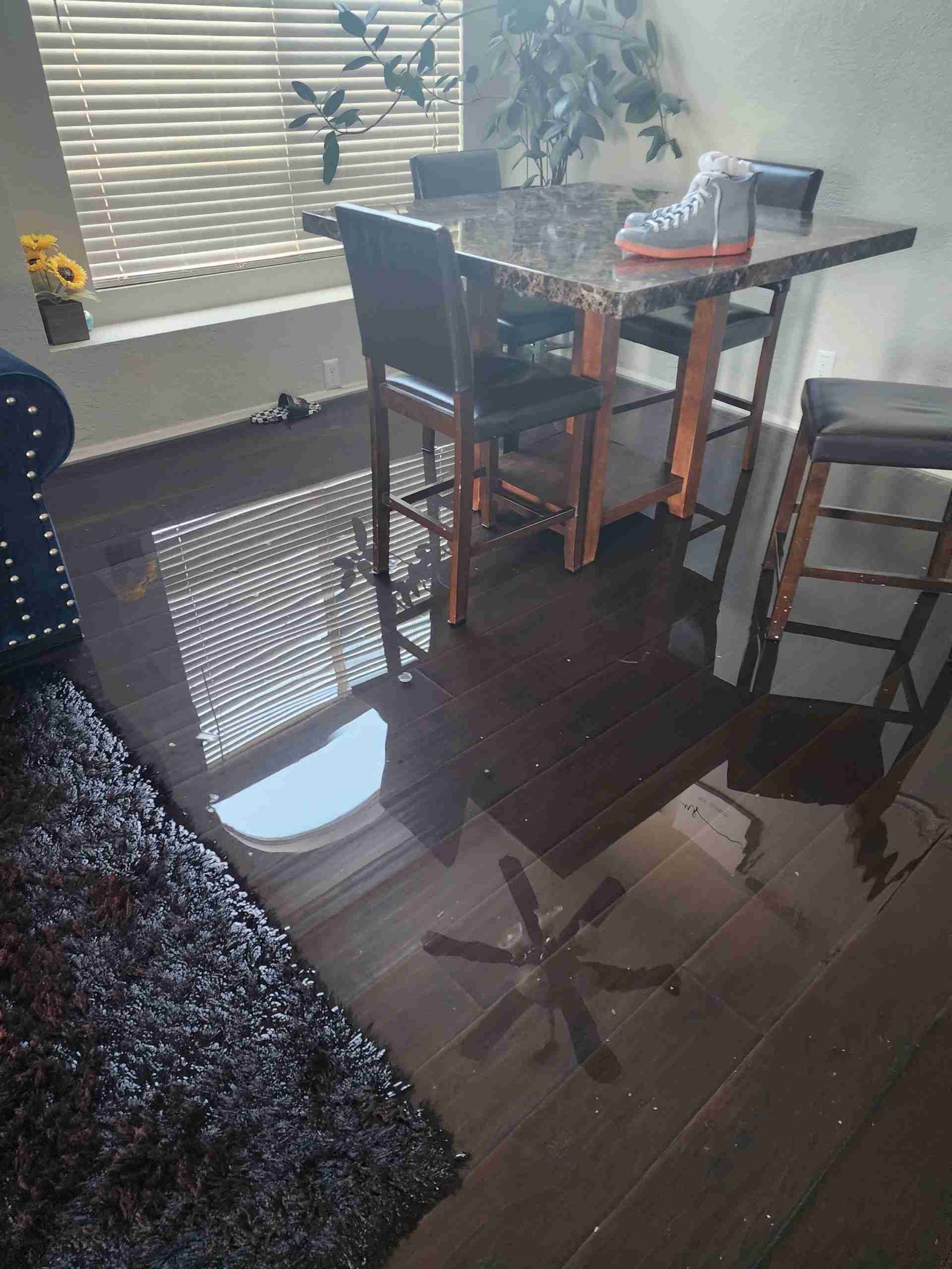
Stop the Water. Control the Damage. Start Drying.
Water does not stay in one place. It can move beneath flooring, behind baseboards, into drywall, under cabinetry, through insulation, and deeper into structural materials. What looks like a limited leak at first can become a much larger restoration project if moisture is allowed to keep spreading.
Our first priority is to understand the loss, address standing water, identify affected areas, and begin the drying and mitigation process. That may include extraction, removal of wet materials, moisture measurements, air movement, dehumidification, and opening areas that cannot dry properly while covered.
Rapid Response Flood Restoration is built for urgent property losses where homeowners, business owners, landlords, and property managers need clear communication and immediate action.
Water Damage Restoration Services
Every water loss is different, but the goal is the same: remove unwanted water, control moisture, protect what can be saved, remove what cannot be saved, and move the structure toward a dry and stable condition.
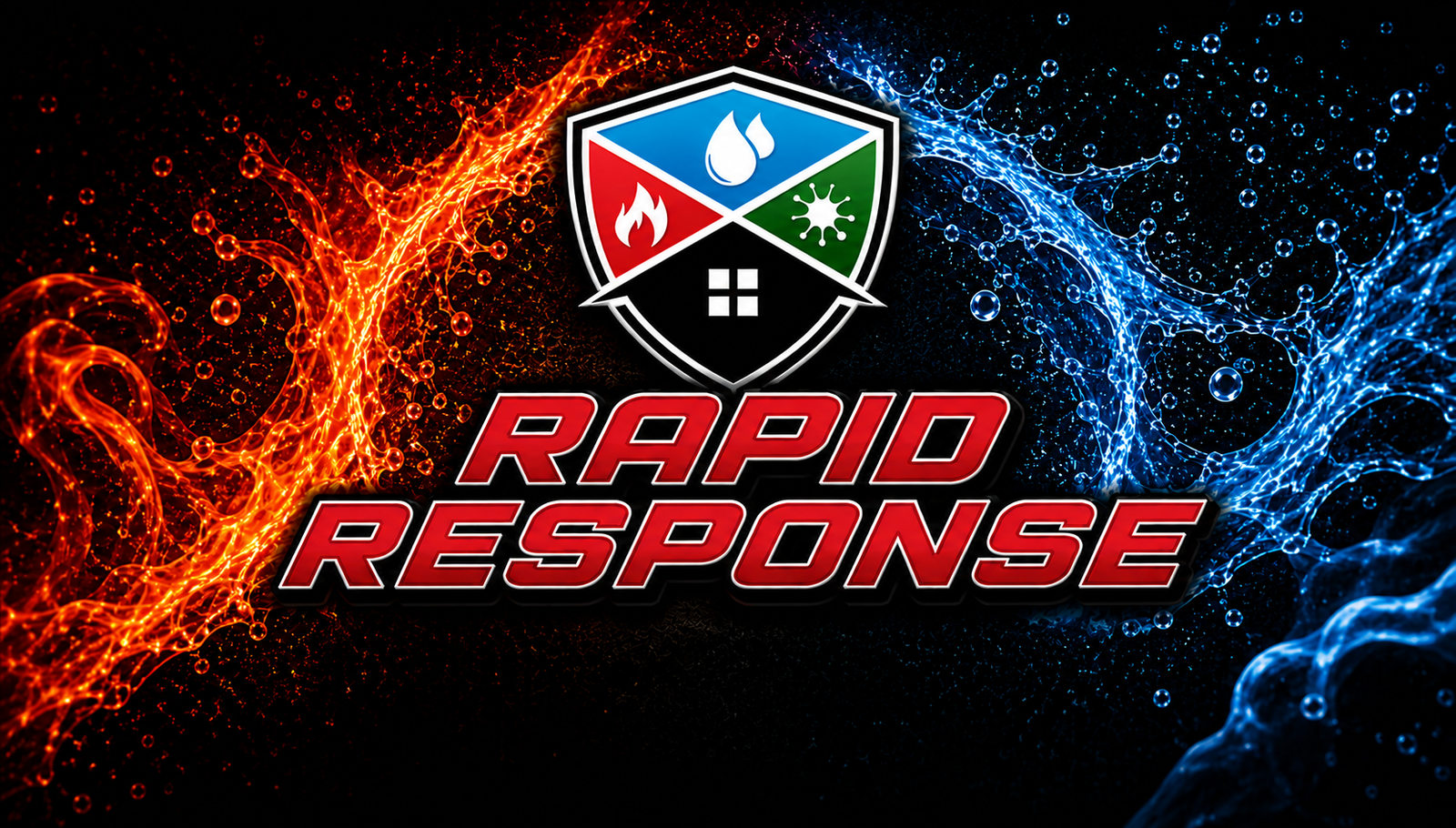
Emergency Water Extraction
Standing water is removed as quickly as conditions allow to help reduce migration into flooring, drywall, baseboards, cabinetry, contents, and structural materials.
Moisture Detection
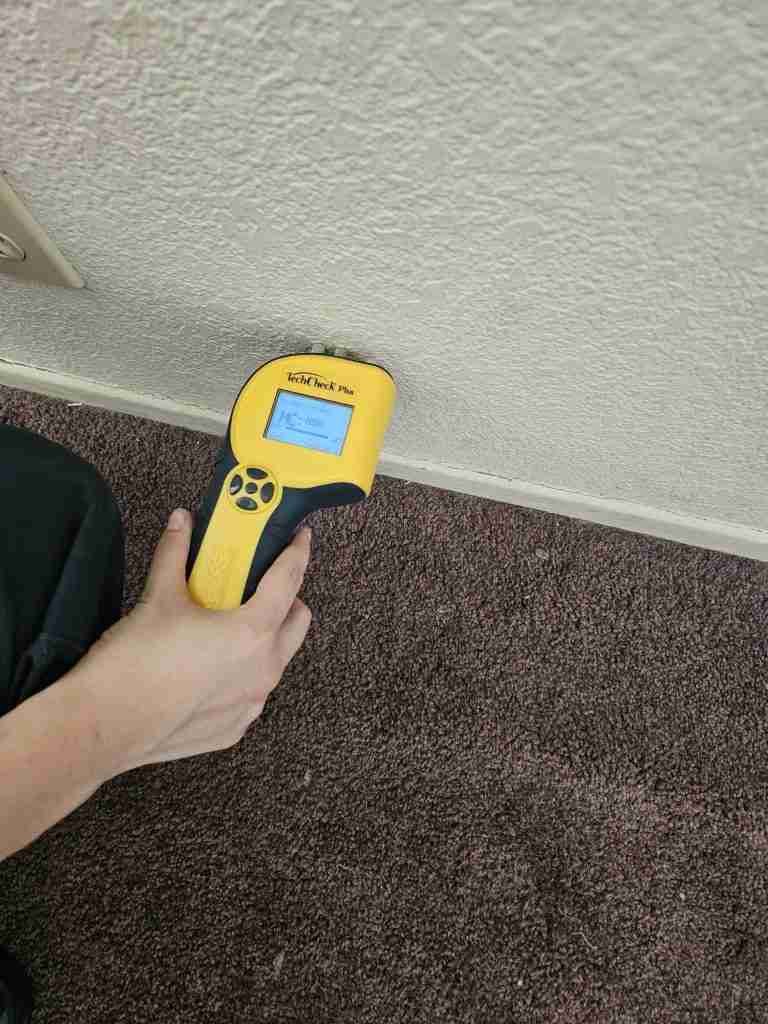
Visible water is only part of the problem. Moisture readings help identify affected areas that may not look wet from the surface so the drying plan can address the actual loss.
Structural Drying
Professional air movement and drying equipment help reduce moisture in affected building materials and move the property toward a stable condition.
Wet Material Removal
Damaged drywall, insulation, flooring, trim, cabinetry, or other materials may need to be removed when they cannot be properly dried or safely preserved.
Flood Cleanup
Flooded rooms and buildings require organized water removal, cleanup, moisture control, affected-material handling, and drying support to limit additional damage.
Residential & Commercial Response
We help homeowners, landlords, property managers, businesses, offices, rental properties, and commercial facilities dealing with urgent water-related property damage.
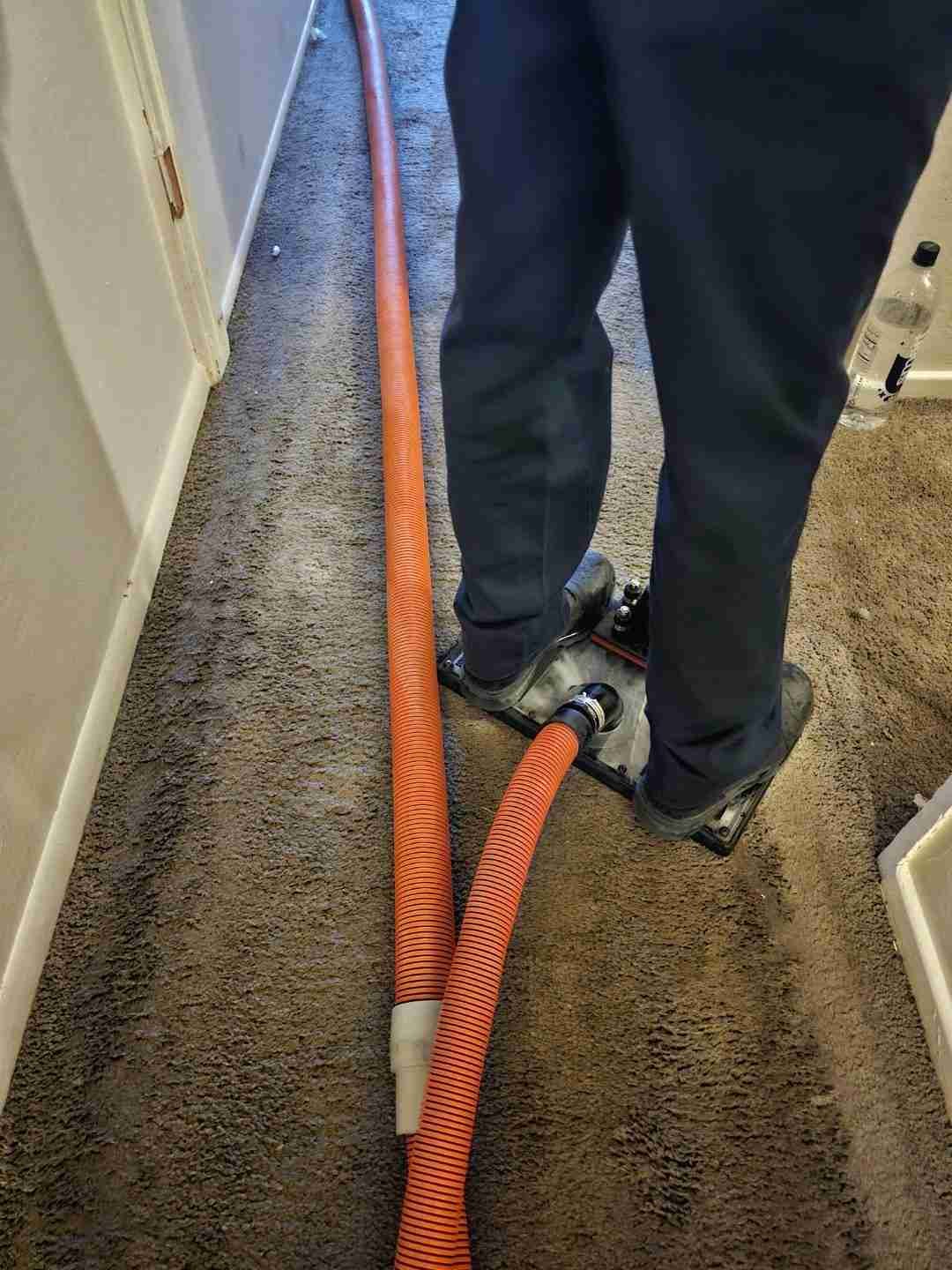
Getting Excess Water Out Is the First Major Step
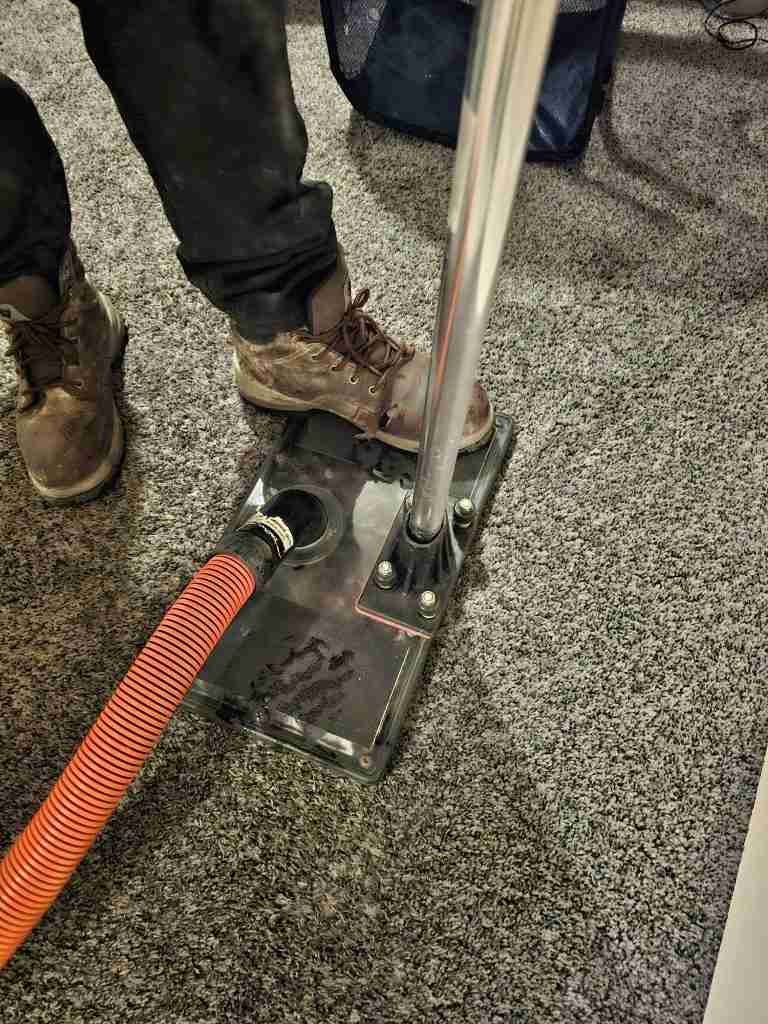
Water extraction helps reduce the amount of moisture that must later be removed through evaporation and structural drying. The sooner excess water is removed, the sooner affected materials can begin moving toward a controlled drying condition.
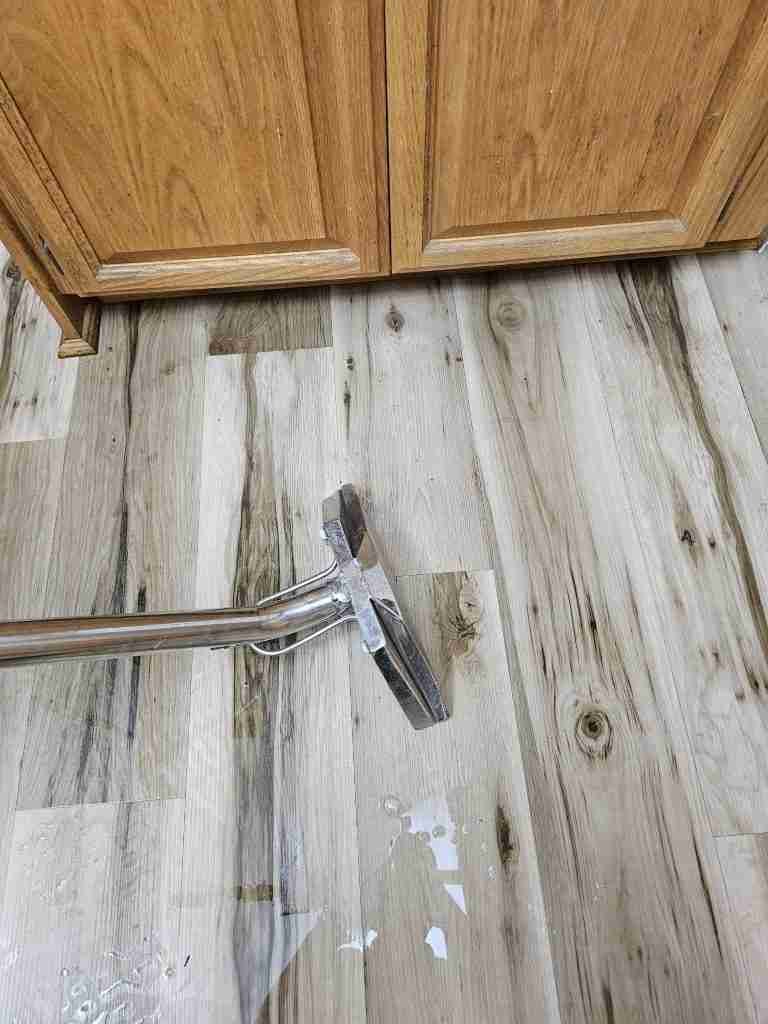
Depending on the loss, extraction may involve carpet, hard-surface flooring, rooms containing furniture, wall edges, and areas where water has migrated beyond the most obvious wet zone.
Our approach is not simply to make the surface look dry. The restoration process continues with inspection, moisture readings, material evaluation, demolition where necessary, and professional drying equipment.
From Extraction to Moisture Detection and Structural Drying
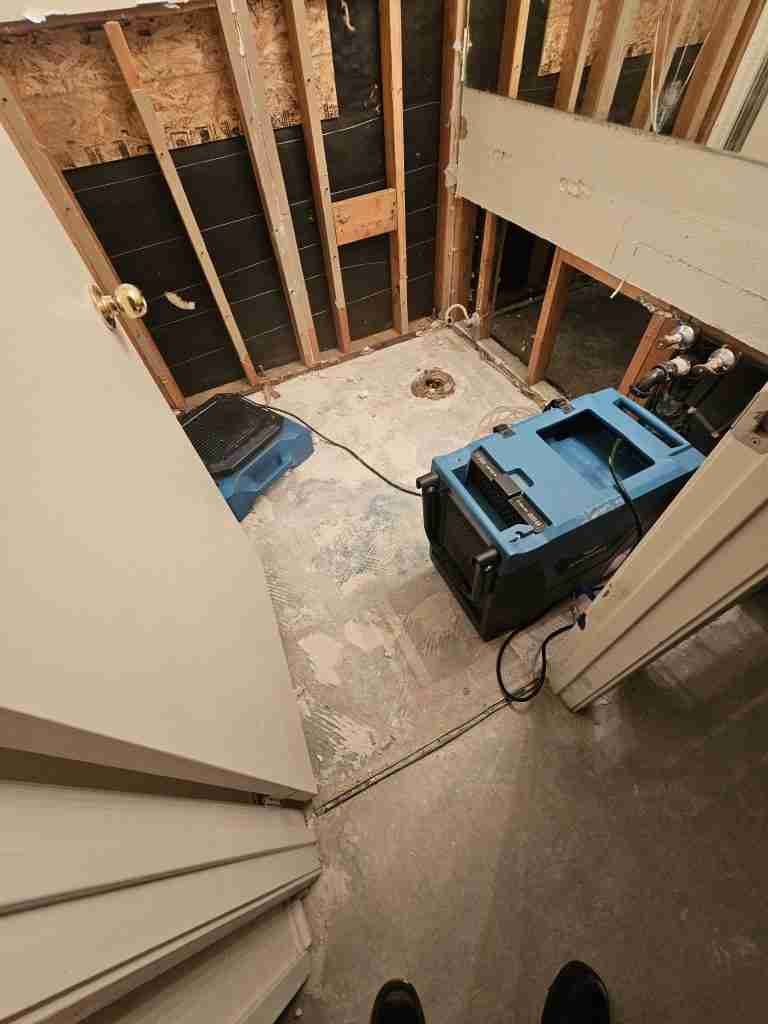
These are real restoration project photos showing the actual steps involved in water damage mitigation—not stock images. The work progresses from water removal and moisture assessment to opening affected areas and drying the structure.
Our Water Damage Restoration Process
A successful water damage job requires more than equipment. It requires a clear sequence of assessment, water removal, moisture control, drying, material decisions, documentation, and recovery planning.
Emergency Assessment
We evaluate visible damage, the apparent source, affected areas, standing water, immediate safety concerns, and the actions needed to begin stabilizing the loss.
Extraction & Mitigation
Excess water is removed and affected materials are evaluated so the spread of damage can be controlled and the drying process can begin.
Moisture Control & Drying
Moisture readings, air movement, drying equipment, selective demolition, and ongoing evaluation help move the structure toward a dry condition.
Recovery Planning
After emergency mitigation is complete, the property is in a stronger position for repairs, reconstruction planning, and the next phase of recovery.
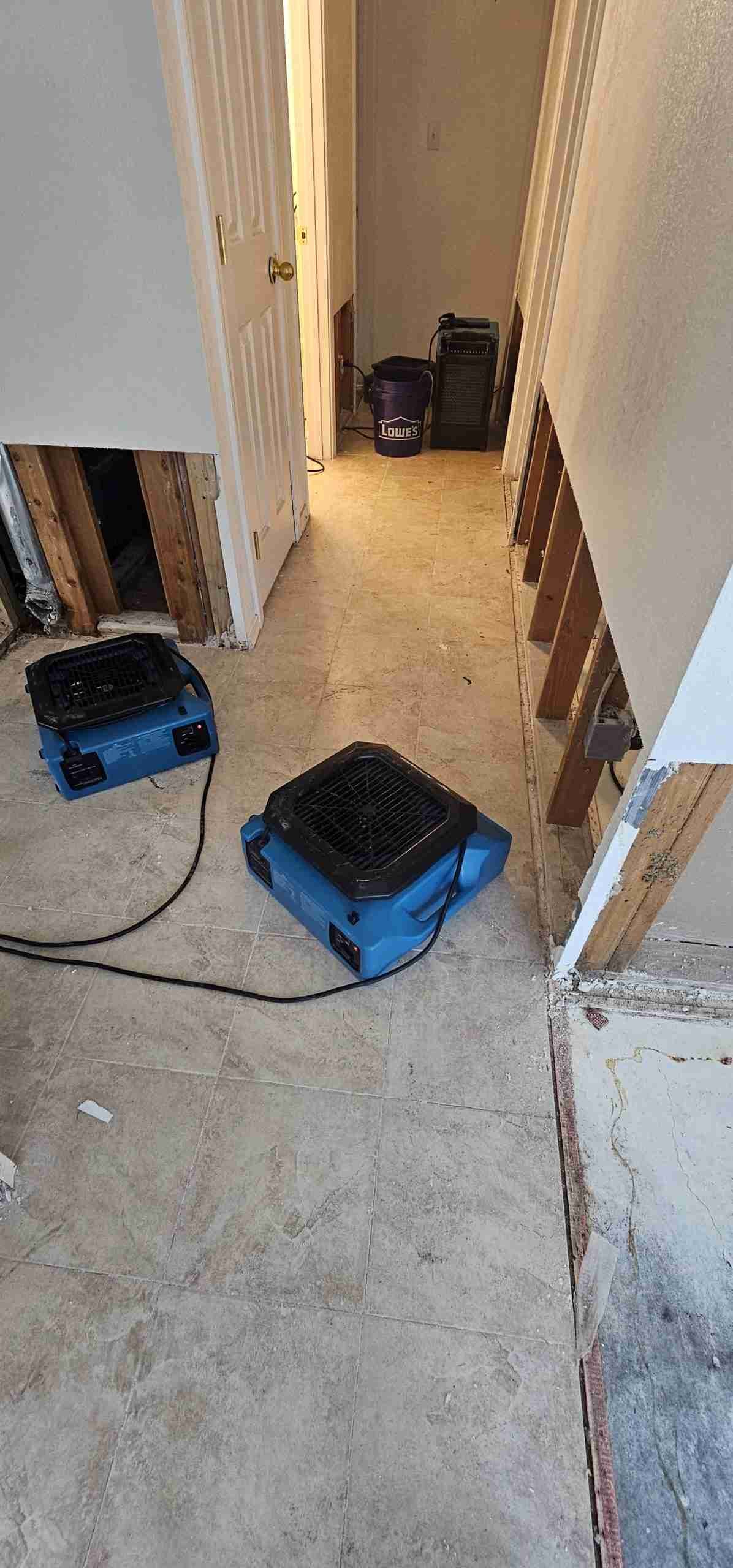
Sometimes Proper Drying Requires Opening the Structure
Water can become trapped behind drywall, below flooring, inside wall cavities, beneath cabinets, and around structural components. In some losses, damaged materials must be removed so concealed moisture can be reached and the remaining structure can dry properly.
This does not mean unnecessary demolition. The objective is to make informed restoration decisions based on the condition of affected materials and the needs of the drying process.
Air movers and other professional drying equipment are then positioned to support evaporation and help move remaining moisture out of the affected structure.
Water Damage Can Start in Many Different Ways
Whether the source is sudden or has been developing unnoticed, the restoration priority is to stop additional damage and address the moisture already affecting the property.
Burst & Broken Pipes
Pipe failures can release large amounts of water quickly and affect multiple rooms, wall cavities, flooring, and personal property.
Appliance & Supply Line Failures
Washing machines, refrigerators, dishwashers, water heaters, and supply lines can cause serious interior water damage when components fail.
Roof & Storm Leaks
Roof openings and weather-related intrusion can affect ceilings, insulation, walls, flooring, and contents before the problem becomes obvious.
Overflowing Fixtures
Toilets, tubs, sinks, and other fixtures can overflow and send water into adjacent rooms or through multiple levels of a building.
Slab Leaks
Water beneath or within slab areas may create hidden moisture problems affecting flooring, walls, cabinets, and interior building materials.
Flooded Rooms
Significant standing water requires fast extraction and organized mitigation before additional materials become affected.
Commercial Water Losses
Offices, retail spaces, rentals, service buildings, and commercial properties require fast response and organized communication to limit disruption.
Hidden Moisture
Water behind finished surfaces can remain after visible water is gone, which is why professional moisture evaluation is an important part of restoration.
Water Damage Restoration for Homes
Water damage inside a home can disrupt bedrooms, kitchens, bathrooms, living spaces, flooring, cabinetry, personal belongings, and everyday life. Homeowners need more than someone to simply remove the visible water.
We help control the loss, evaluate affected materials, remove excess water, identify moisture, support structural drying, and prepare the property for the next stage of recovery.
Water Damage Restoration for Businesses
Commercial water losses can interrupt operations, affect tenants or customers, damage inventory or equipment, and create larger logistical problems when the response is delayed.
Rapid Response provides organized emergency mitigation for offices, rental properties, retail spaces, service facilities, and other commercial environments that need fast action and professional communication.
Serving the High Desert With Emergency Water Damage Response
Rapid Response Flood Restoration provides water damage restoration throughout our Southern California High Desert service area.
If your home, rental property, business, or commercial building has standing water, a burst pipe, a plumbing failure, soaked flooring, wet drywall, a roof leak, or another urgent moisture problem, call us as quickly as possible so the damage can be assessed and controlled.
Water Damage Restoration Built Around Urgency
Property damage does not happen on a convenient schedule. Our service is built around responding quickly, understanding what is affected, communicating clearly, and moving the job forward without unnecessary delays.
We focus on real mitigation work: extraction, moisture evaluation, drying, affected material removal, cleanup, stabilization, and helping customers understand what is happening inside their property.
A Restoration Company That Shows the Actual Work
The photos on this page are from real water damage projects and show the kind of work involved in actual mitigation: standing water, active extraction, moisture readings, exposed affected areas, drying equipment, and demolition.
That matters because water damage restoration is hands-on field work. Customers should be able to see the kind of problems we respond to and the work required to get those losses back under control.
Southern California Water Damage Restoration FAQ
Do you provide emergency water damage restoration?
Yes. Rapid Response Flood Restoration provides emergency water damage response for urgent residential and commercial property losses throughout our Southern California High Desert service area.
What should I do when I discover water damage?
Start with safety and avoid areas where water may be near electrical hazards or unstable materials. If the source can be safely stopped, do so, then call for professional water damage help as quickly as possible.
Why is fast water extraction important?
Water can continue migrating into drywall, flooring, baseboards, insulation, cabinetry, framing, and contents. Removing excess water quickly helps limit how far the loss spreads.
Can materials look dry while still containing moisture?
Yes. Moisture can remain below flooring, behind wall surfaces, around cabinets, and inside other building materials even after visible water is gone. Moisture measurements help identify those areas.
Will damaged drywall or flooring always need to be removed?
Not always. Material decisions depend on the type of water loss, the condition of the material, moisture levels, accessibility, contamination concerns, and whether the material can be dried effectively.
What areas do you serve?
Our core Southern California service area includes Victorville, Apple Valley, Hesperia, Barstow, Adelanto, Yermo, Newberry Springs, Helendale, and surrounding High Desert communities.
Do you work on commercial water damage?
Yes. We provide water damage mitigation for commercial properties, rental units, offices, service buildings, retail environments, and other properties that require fast and organized emergency response.
How does structural drying work?
Structural drying uses professional air movement, moisture evaluation, material exposure where needed, and controlled drying equipment to help remove moisture from affected building materials.
Call Rapid Response Flood Restoration Now
If your property in Victorville, Apple Valley, Hesperia, Barstow, Adelanto, Yermo, Newberry Springs, Helendale, or the surrounding High Desert has standing water, soaked flooring, wet drywall, a burst pipe, appliance failure, flood damage, or another urgent water loss, quick action matters. Call Rapid Response for professional emergency water extraction, moisture control, structural drying, mitigation, and property stabilization.